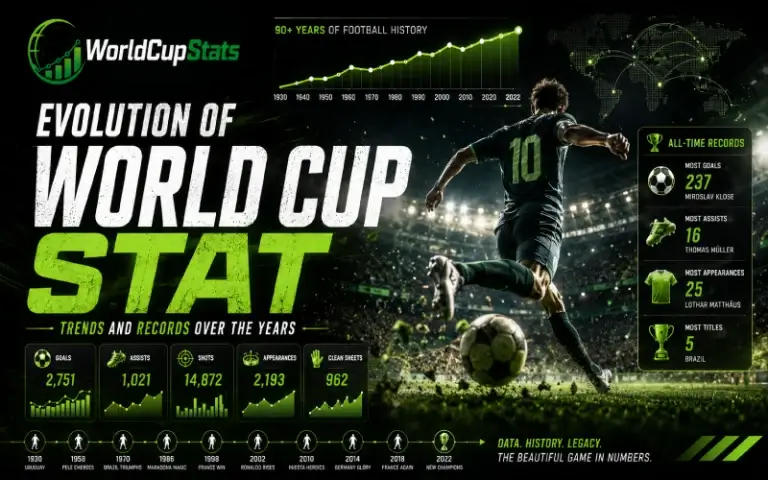


The FIFA Club World Cup has evolved from a relatively small tournament into a major global football event that now attracts attention from fans, analysts, and bettors worldwide. For Filipino bettors in particular, the competition is becoming more relevant each year as it brings together champions from different continents, creating unpredictable matchups and new betting opportunities. Unlike domestic leagues or even continental tournaments, the Club World Cup introduces a unique mix of playing styles, tactical systems, and varying levels of world cup stat experience. This makes it one of the most interesting events to analyze from a sports betting perspective.
As football continues to globalize, the Club World Cup is no longer just a trophy chase-it is now a stage where betting markets, statistical modeling, and fan engagement intersect. Understanding its impact on global football helps bettors make smarter decisions and spot value bets that others may overlook.
The Global Expansion of Club Football Competition
One of the biggest impacts of the Club World Cup is how it has expanded the idea of club supremacy beyond Europe and South America. Traditionally, European clubs have dominated international competitions due to stronger leagues, deeper squads, and higher financial backing. However, the modern format of the Club World Cup introduces more teams from Asia, Africa, and North America, making the competition more diverse and unpredictable.
This expansion changes how clubs approach the tournament. Instead of treating it as a friendly-style competition, top clubs now view it as a prestige event with global branding value. Winning it boosts reputation and increases commercial opportunities, especially in emerging football markets like Southeast Asia, where betting activity is growing rapidly.
For Filipino bettors, this means more matches to analyze with unfamiliar teams, creating both risk and opportunity. Underdog victories are more possible, especially when top clubs rotate squads or underestimate opponents from less prominent leagues.
Betting Market Shifts and Opportunities for Filipino Bettors
From a betting perspective, the Club World Cup creates unique market behavior compared to domestic leagues. Odds can fluctuate heavily due to limited historical data between clubs from different continents. Bookmakers rely more on club reputation and squad value rather than direct head-to-head statistics.
This is where informed bettors can gain an edge. Filipino bettors who follow international football closely can identify mispriced odds, especially in early tournament rounds. For example, a dominant Asian or African club may be undervalued against a European side that is dealing with fixture congestion.
Live betting also becomes more dynamic in this tournament. Because teams are often unfamiliar with each other’s tactical styles, matches can start slowly and evolve unpredictably. This opens opportunities for in-play betting strategies such as over/under goals, next team to score, and handicap markets.
Many bettors also compare data from platforms like understat world cup style analytics to evaluate attacking efficiency and defensive stability, even though Club World Cup data may not always be as detailed as major league competitions.
Tactical Fatigue, Squad Rotation, and Statistical Insights
Another major impact of the Club World Cup on global football is player fatigue and squad rotation. European clubs, in particular, face congested schedules, and adding an international tournament increases the physical load on players. Coaches often rotate squads, which directly affects match outcomes and betting predictions.
This is where data analysis becomes extremely important. Bettors who study team form, minutes played, and injury reports can gain an advantage over casual bettors who rely only on reputation. Advanced metrics such as expected goals, possession dominance, and pressing intensity help identify whether a team is likely to underperform due to fatigue.

Modern betting strategies increasingly rely on statistical tools similar to what fans might find in worldcupstats databases or performance dashboards. Even when exact datasets differ, the principle remains the same: data-driven betting improves decision-making accuracy.
In tournaments like the Club World Cup, where sample sizes are small and unpredictability is high, even basic insights like travel distance, climate adaptation, and squad depth can significantly influence outcomes.
How Filipino Bettors Can Approach the Tournament Strategically
For Filipino bettors, the Club World Cup is not just entertainment-it is an opportunity to apply disciplined betting strategies. Because the tournament features clubs from different football cultures, it is essential to avoid assumptions based solely on league reputation.
One effective approach is focusing on first-half versus full-time performance trends. Some teams start slowly due to unfamiliar opponents, while others adapt quickly and dominate early. Another strategy is to analyze defensive consistency, especially for clubs that rely on structured systems rather than individual brilliance.
Bankroll management is also critical. Since volatility is higher in international club competitions, bettors should avoid overexposure in single matches. Instead, spreading bets across multiple markets-such as total goals, double chance, or Asian handicaps-can reduce risk.
In addition, tracking coaching styles can provide hidden insights. Some managers prioritize rotation and long-term fitness, while others push for aggressive wins even in early rounds. These differences often create value betting opportunities that are not fully reflected in odds.
The Broader Impact on Global Football Ecosystem
Beyond betting, the Club World Cup influences how football is structured globally. It encourages clubs from developing football regions to invest more in talent development and infrastructure. The exposure gained from competing against elite teams also increases player transfer opportunities, especially for standout performers.
Broadcasting rights and sponsorship deals also expand significantly, especially in regions like Southeast Asia where football consumption is rapidly growing. Filipino fans and bettors are part of this global audience shift, contributing to higher engagement levels during tournament matches.
As the competition grows, so does the importance of analytics, scouting, and predictive modeling. Clubs now use data not just for performance improvement but also for commercial and strategic planning. This makes the tournament a hybrid of sport, business, and data science.
Conclusion
The Club World Cup has transformed from a niche tournament into a global football showcase with significant implications for fans, clubs, and bettors alike. For Filipino bettors, it presents a unique environment where traditional league assumptions are less reliable, and data-driven analysis becomes more valuable.
By understanding team dynamics, betting market behavior, and statistical trends, bettors can improve their decision-making and find value in unpredictable matchups. Whether analyzing squad depth, tactical adaptability, or performance metrics, success in Club World Cup betting depends on preparation and insight.
In the end, the tournament is more than just a competition-it is a global meeting point of football cultures, strategies, and opportunities where informed bettors can turn knowledge into advantage.